Doctor Who has long been my favorite show, but my actual viewing it over the years has been very on-again / off-again. Lately, it’s been all-on, as I’m actually closing in on finishing re-watching all of the classic episodes (at least the ones that are easily available for me to stream), whilst blogging about each serial.
Season 15 was a time of transition for Doctor Who. Renowned producer Philip Hinchcliffe was gone, and new producer Graham Williams was on the scene. The forthcoming years of the show would a lot of the sense of gothic horror that had dominated the show in the early Tom Baker years and replace it with lighter-hearted (and often decidedly goofy) pulp science fiction adventure.
But as the first new story of this new mini-era, these changes are not really apparent with Fang Rock. Presumably, Graham Williams was still figuring out how to make his stylistic mark on the show, and presumably the fact that Robert Holmes, the previous script editor, was still around doing his job makes this story feel as much at home in the previous year as much as any of the stories that were actually part of that season.

Horror of Fang Rock
Starring Tom Baker as the Fourth Doctor.
Companion: Louise Jameson as Leela
Written by Terrance Dicks. Directed by Paddy Russell. Produced by Graham Williams. Script Edited by Robert Holmes.
Format: 4 episodes, each about 25 minutes long
Originally Aired: September 1977 (Episodes 1-4 of Season 15)

Spoilers Ahead!
As I close in on finishing rewatching and commenting on all these classic Doctor Who adventures, there are stories whose reputation precedes them. Sometimes, as in the case of Delta and Bannermen and The Time Monster, those reputations are decidedly negative. Other times, like with Spearhead from Space or The Brain of Morbius, I am going to go into those adventures with high hopes. Horror of Fang Rock fits into this latter category. I don’t know if people would say it’s in the top-tier of stories, but I get the impression at least the consensus is that it falls just outside of that.
And mostly I agree. Fang Rock is a creepy story that combines elements of Doctor Who‘s longstanding “base under siege” format with a classic “haunted house” story. The characters are specifically written and well played, and the whole thing is anchored by very good performances from Tom Baker and Louise Jameson as the Fourth Doctor and Leela, one of my favorite TARDIS teams of the show’s original run.

But there are some negatives and lets them out of the way first. Fang Rock threatens to become a bit boring–there’s not a lot of actual action and some of the interactions between the guest characters become a bit repetitive, especially since most of it comes to nothing when they are all killed off. Adelaide is a character that becomes just as annoying for the audience as she is for Leela, and her death is quite awkwardly directed and edited–it just comes out of nowhere. And at the story’s conclusion I couldn’t help but wonder why the Doctor didn’t just take everyone away in the TARDIS if he really wanted to save their lives, as it seems to have been sitting not all that far away.
But generally I still enjoyed Fang Rock a lot, in spite of these limitations.

Even though the story is slow, it is still well-paced. Time is given to develop all the guest players, so there is always something interesting happening even when the monster is only lurking in the background. The fact that everyone dies (not quite as common as one thinks; the next time this will happen in televised Doctor Who is The Doctor’s Wife in 2011) makes this feel a little pointless, but the alternative, in which the guest cast were just faceless schlubs, would have been far worse. And even though I was sad when, say, Vince or Harker were killed, I think the story works better with only the Doctor and Leela left at the end. It’s a fitting payoff for the sense of tension and foreboding that the serial has spent its entire runtime building up.
The Rutan scout is also interesting, at least conceptually. Being the slimy, tentacled, shapeshifting, electrically charged collective race that they are, they are pretty much completely different from their longstanding enemies, the Sontarans, which is a great move by the creators.

Though they’re mentioned in various Sontaran stories over the years, this is the only time the Rutans actually appeared on TV, which I think is a bit of a shame. Indeed, one of the most obvious gaps in Doctor Who is the fact that we’ve never seen the Sontarans and Rutans actually fighting each other…although who knows if the show would have been able to pull that off in a way that was interesting. I gather they both appear in the the independent spin-off Shakedown, but I’ve never seen that.
Anyway, as the main threat of this story, the Rutan works really well. It (they?) is creepy and a complete mystery about what it’s capable of and what it actually wants, and when the show unpacks all that in the last episode it holds up pretty well. The actual effects used to create the Rutan are not anything particularly impressive, but it’s no worse than anything from this era of the show, and the fact that it is so utterly alien adds to the story’s sense of dread.

I’ve already mentioned how well Tom Baker and Louise Jameson do in this story, but I have to mention again how well their characters are written. They have a close friendship that also a strong thread of a student-teacher relationship–all of that we have seen before. But what sets this TARDIS team apart is Leela’s bouts of unhinged savagery, and the Doctor’s sometimes patient / sometimes impatient way of managing her behaviour so that she doesn’t cause more trouble than she is stopping.
Apparently, Louise Jameson had to push back against some more “traditional female role” moments that were creeping through for her character in this script, but that seems to have paid off because you don’t see any of that on screen. Leela is tough and fearless and appropriately (for the character) violent–she slaps Adelaide to stop her from screaming and absolutely revels in killing the Rutan itself. “Enjoy your death,” she says to it, “as I enjoyed killing you.”

But she’s also curious, protective and loyal to the Doctor, all of which help her to be a great companion. The Doctor has a lot of winning dialogue and Tom Baker brings a kind of signature effortless charm to all his interactions, whether he is talking to himself, a guest character or a green blob on a staircase. But his interactions with Leela work particularly well, which is all the more notable as many accounts indicate that Baker was not an easy person to work with.
Thankfully that doesn’t come through in the finished product, which as I’ve said is overall a solid piece of work.

Other thoughts:
• I’ve already mentioned that the script for this story is good, with a lot of Leela’s dialogue shining. But for some more specifics, I like how Leela sees the revelation that the Rutan is keeping out of sight while it spies out the land as an advantage, as she says with excitement, “Then we are not facing an enemy that is bold.”
• Also you see her hero worship of the Doctor when she learns that the Rutans’ ability to shapeshift doesn’t mean they are as advanced as the Doctor’s people: “You will easily dispose of this primitive creature, Doctor–you are a Time Lord.”
• Finally, she and the Doctor have a good interaction after the Rutan is killed: “It is fitting to celebrate the death of an enemy,” she says, to which the Doctor replies, “Not in my opinion.”
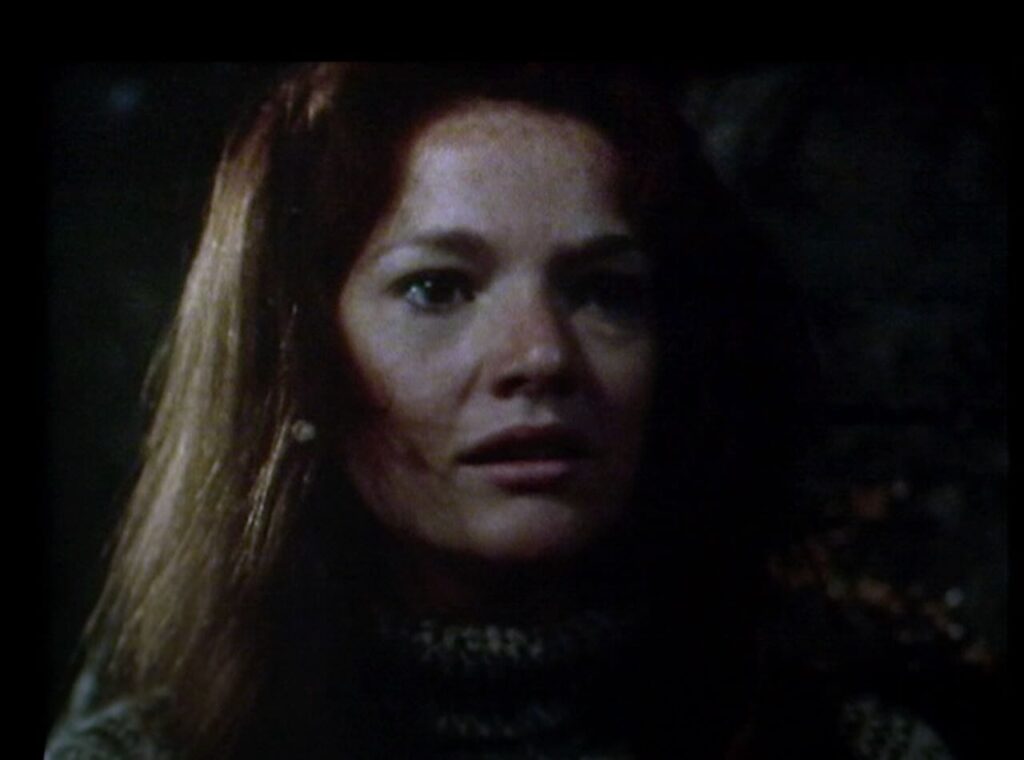
• Leela’s eyes turn blue at the end of this story (having been brown) because Louise Jameson didn’t wear contact lenses anymore (apparently they were giving her trouble). Unfortunately, the scene where all this happens is pretty dark, so I find it hard to see it, even with the dialogue spelling it out.

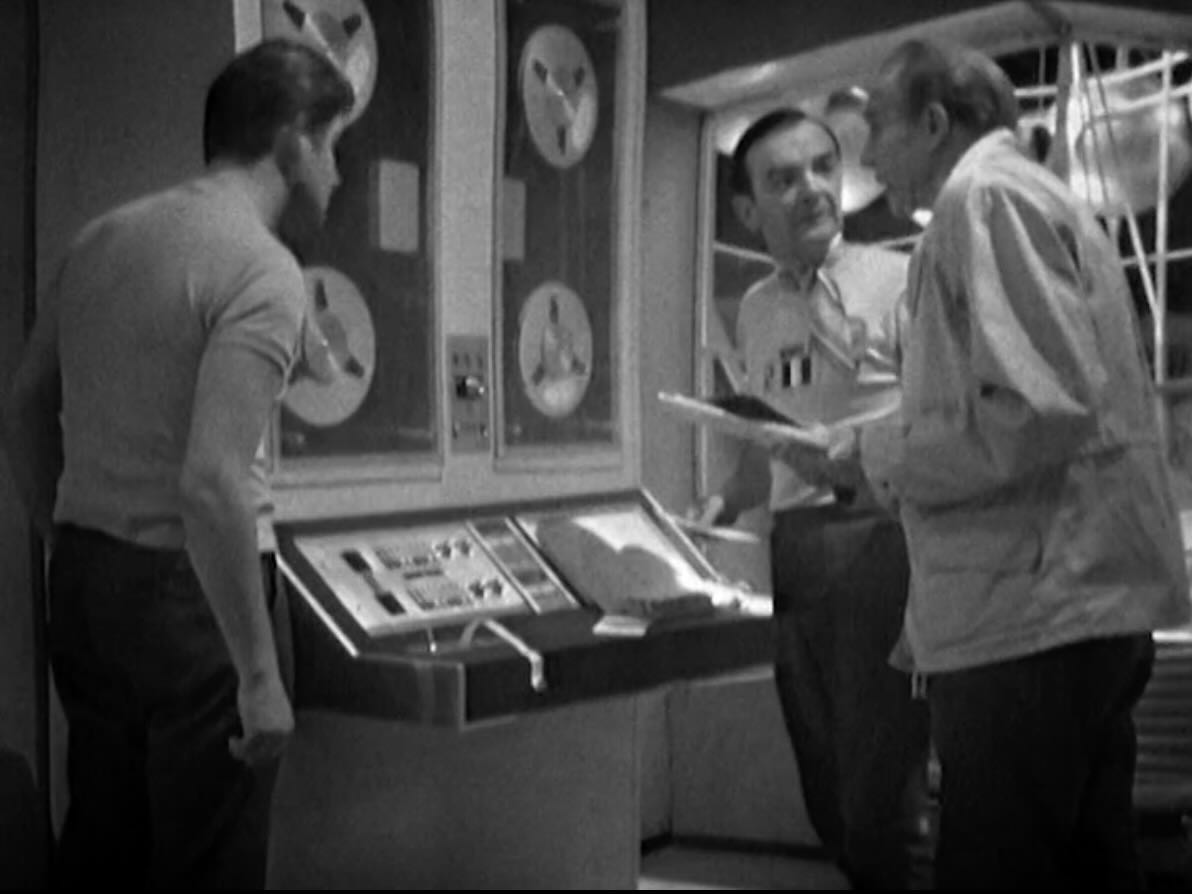
• Colin Douglas (Reuben) also played Donald Bruce back in The Enemy of the World. Ralph Watson (Ben Travers) had an uncredited role in The Underwater Menace before playing Captain Knight in The Web of Fear and Ettis in The Monster of Peladon. And Alan Rowe (Skinsale) had appeared in The Moonbase (as Dr. Evans), in The Time Warrior (as Edward of Wessex), and Full Circle (as Garif).
PakarPBN
A Private Blog Network (PBN) is a collection of websites that are controlled by a single individual or organization and used primarily to build backlinks to a “money site” in order to influence its ranking in search engines such as Google. The core idea behind a PBN is based on the importance of backlinks in Google’s ranking algorithm. Since Google views backlinks as signals of authority and trust, some website owners attempt to artificially create these signals through a controlled network of sites.
In a typical PBN setup, the owner acquires expired or aged domains that already have existing authority, backlinks, and history. These domains are rebuilt with new content and hosted separately, often using different IP addresses, hosting providers, themes, and ownership details to make them appear unrelated. Within the content published on these sites, links are strategically placed that point to the main website the owner wants to rank higher. By doing this, the owner attempts to pass link equity (also known as “link juice”) from the PBN sites to the target website.
The purpose of a PBN is to give the impression that the target website is naturally earning links from multiple independent sources. If done effectively, this can temporarily improve keyword rankings, increase organic visibility, and drive more traffic from search results.